Michael Jackson Best Songs: A Visual Guide to His Genius
Music legends · A listening and watching guide
Michael Jackson could make a drumbeat feel like a character, a pause feel like suspense, and a few seconds of movement become the part of a performance everyone remembered.
If you are discovering his music today, start with “Billie Jean,” “Human Nature,” and “Smooth Criminal.” Together, they offer three different doors into his work: rhythmic precision, a surprisingly delicate voice, and performance built for the screen.
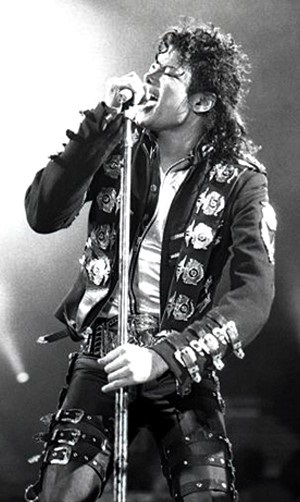
This guide celebrates the craft behind the spectacle. You will find seven essential songs, four real archival photographs, and a way to listen that goes beyond recognizing the famous chorus.


Only have time for one song? Choose “Billie Jean” on the official Michael Jackson channel. First follow the bass line. On a second listen, follow his voice. The tension between that steady foundation and his nervous, clipped delivery is a good introduction to his musical personality.
Choose your way into the music
A greatest-hits playlist can flatten very different songs into one long run of familiar titles. Try choosing a route instead. These are editorial recommendations, not a chart ranking.
“Don’t Stop ’Til You Get Enough” → “Billie Jean” → “Smooth Criminal.” Follow the pulse, then notice how the voice becomes part of it.
“Human Nature” → “Man in the Mirror.” Start with softness and space, then move toward a vocal performance that steadily opens up.
Watch “Thriller,” then the full “Smooth Criminal” film. Look at entrances, silhouettes and group movement as closely as you listen.
Seven Michael Jackson songs—and what to listen for
These selections favor variety over completeness. Use the original studio recordings for the listening notes; a live arrangement or video edit can change the pacing.
| Song | Original album | Your listening cue |
|---|---|---|
| Don’t Stop ’Til You Get Enough | Off the Wall (1979) | Follow the bright upper register. The falsetto keeps the groove buoyant even when the arrangement gets busy. |
| Billie Jean | Thriller (1982) | Keep your attention on the repeating bass pattern while the vocal grows more urgent. Repetition becomes suspense. |
| Beat It | Thriller (1982) | Notice the contrast between the taut verses and the forceful chorus. The guitar sound gives the song a different physical weight. |
| Human Nature | Thriller (1982) | Listen to the ends of phrases. The softened delivery and airy setting show how effective he could be without pushing every note. |
| Thriller | Thriller (1982) | Hear the studio song first, then watch the film. The recording’s dance groove and the film’s storytelling reward different kinds of attention. |
| Smooth Criminal | Bad (1987) | Follow the short, sharply accented phrases. The vocal has the precision of a rhythmic instrument. |
| Man in the Mirror | Bad (1987) | Compare the opening with the closing stretch. The gradual expansion makes the emotional release feel earned. |
Find the verified track lists on the official Thriller and Bad album pages. The official Off the Wall listing identifies the 1979 album.
The instrument hiding in plain sight: his voice
The dancing is often the first thing people mention. Listen without a screen, though, and something else comes forward: his control over the shape of a phrase.
In “Billie Jean,” a clean beat leaves room for little bursts of urgency. In “Human Nature,” the same recognizable voice becomes light and almost conversational. Those two songs make a useful comparison because volume alone cannot explain the difference. The feeling comes from attack, spacing and how a phrase is allowed to end.
Try two passes. On the first, follow the drums and bass. On the second, listen for a breath, an accent or a small vocal sound between the main lines. Ask whether it fills a gap or creates one. You do not need musical training to hear how the performance changes the song’s momentum.
Before the solo icon, there was a Motown education
Jackson’s story begins well before the white glove. Motown’s artist history traces his emergence with the Jackson 5 and his early solo recordings. That background gives the later catalog a useful context: the youthful lead singer and the adult performer belong to the same musical story.
The same Motown account describes his meeting with Quincy Jones while working on The Wiz. Their later collaboration is a reminder that these records were also the work of producers, musicians, writers and engineers. Admiring Jackson’s artistry does not require erasing the people who helped realize it.



Three performances worth watching with fresh eyes
1. “Billie Jean” at Motown 25: watch the stillness
Motown places the recording of the anniversary show in March 1983, with its television broadcast in May. The moonwalk is the famous moment. For a more revealing viewing, pay attention to the pauses around the movement: the held pose makes the next action read clearly.
This is also a useful distinction: the Motown 25 performance and the official “Billie Jean” music video are different works. Watching one is not a substitute for watching the other.
2. “Thriller”: give the short film its full running time
A short clip of the dance leaves out the setup that makes it memorable. Watch the full film and notice how a story scene becomes a musical scene. The change of mood is part of the experience, not an interruption before the chorus.
The 1983 film entered the Library of Congress’s National Film Registry in 2009. That recognition gives a concrete reason to discuss “Thriller” as cinema as well as pop music.
Official-channel embed. If playback is unavailable in your region or browser, open “Thriller” on YouTube. The film contains horror imagery.
3. “Smooth Criminal”: follow the whole room
In the official full-length “Smooth Criminal” video, resist watching only Jackson. The surrounding dancers, coordinated stops and shifting formations make his movements feel larger. The famous lean is one moment inside a much more carefully organized scene.
For readers who usually watch K-pop performance videos, try a familiar question here: when does the group frame the lead performer, and when does everyone move as one image? It turns a nostalgic viewing into a close look at staging.
A small detail worth getting right: the eight GRAMMYs
Jackson won eight awards at the 1984 GRAMMY ceremony. That is often compressed into “Thriller won eight,” but his personal total also included Best Recording for Children for E.T. the Extra-Terrestrial. The Recording Academy’s ceremony list makes the distinction clear.
The record-breaking night matters. So does remembering that an artist’s achievements and one album’s awards are not always the same thing.


Discovering Michael Jackson through the 2026 film?
The biopic Michael, directed by Antoine Fuqua and starring Jaafar Jackson as his uncle, arrived alongside its official companion album on April 24, 2026, according to Sony Music. The album contains 13 selections spanning the Jackson 5, the Jacksons and Jackson’s solo catalog.
Use the companion album as an introduction, then explore the original albums to hear the songs in their wider musical setting. A dramatized biopic, a compilation and a studio album serve different purposes.
Planning a screening or fan outing? Check the official film website for information relevant to your country. Sony’s April 2026 launch pop-ups have already passed; they should not be treated as upcoming October events. Current cinema or streaming availability can vary by market.
Questions new listeners often ask
What is the best Michael Jackson song to start with?
“Billie Jean” is this guide’s first choice because its repeating groove makes the vocal detail easy to follow. Choose “Human Nature” if you prefer a gentler introduction, or “Beat It” if a stronger guitar sound is more inviting.
Is the moonwalk the whole reason his performances are famous?
No. Motown 25 made the move widely associated with Jackson, but reducing his performance style to one step misses the phrasing, posture, pauses and ensemble work. Calling him the move’s inventor also goes beyond what the Motown history establishes.
Should I listen first or watch first?
Listen first for “Billie Jean” and “Human Nature”; watch the full film first if your curiosity is about “Thriller.” Then switch formats. Hearing a voice without the choreography can change what you notice when the screen comes back on.
Start with one song tonight. Return to it tomorrow with a different thing to follow. Familiarity is where this music gets interesting: once the big moments stop surprising you, the small decisions become easier to hear.
Sources and viewing links
- Motown: Michael Jackson artist history — early career, Quincy Jones and Motown 25 chronology.
- Recording Academy: 26th Annual GRAMMY Awards — 1984 award categories and recipients.
- Library of Congress: National Film Registry — Thriller (1983), selected in 2009.
- Sony Music: April 24, 2026 release announcement — Michael film, companion album and dated launch events.
- Official Michael Jackson album pages and video links appear beside the relevant recommendations.
Published October 5, 2026. Listening routes and musical interpretations are this article’s editorial judgments. All four photographs are archival images, with individual source and license links above. Existing Commons crops or processing are retained; no new image edits have been made for this article. CC BY-SA photographs remain available under their stated license.
Comments
Post a Comment